Attic Ventilation & Ridge Vents in NJ
Balanced attic airflow: ridge vents, soffit intakes and the airflow that protects your shingles, your attic and your energy bill.
Attic ventilation in NJ: how a roof breathes
Attic ventilation is the part of the roof system nobody thinks about until it fails. A roof needs to breathe: cool air in at the soffits, warm moist air out at the ridge. Without that balance your attic cooks shingles from below in summer, and in winter it grows condensation, mold and the conditions that feed ice dams.
We assess and correct attic ventilation across New Jersey, adding ridge vents, opening blocked soffits and balancing intake and exhaust so the system actually works. It is one of the cheapest things you can do to extend the life of a new roof.
Good roof ventilation has two halves. Intake comes in low through soffit vents under the eaves, and baffles keep the attic insulation from burying those vents. Exhaust leaves high through a continuous ridge vent or roof vents near the peak. Ridge vent installation is most effective alongside a re-roof, but it can be added to a sound roof too. Mixing exhaust types, like a ridge vent beside gable or box vents, can short-circuit the airflow, so we balance the whole system rather than adding one more vent.
A hot attic in summer, frost on the nail tips in winter and ice dams at the eaves all mean the balance is off. Where soffits are rotted or were painted shut, soffit and fascia repair goes hand in hand with opening up the intake. Adequate ventilation is also a condition of most shingle warranties, so it protects the roof you paid for.
Ridge vent installation, soffit vents and airflow
- Ridge vent installationContinuous ridge venting that lets hot, moist air escape along the peak of the roof.
- Soffit & intake ventingBlocked or missing soffit intakes opened and added so fresh air can enter the attic.
- Baffles & insulation clearanceRafter baffles installed so attic insulation cannot block the soffit intake.
- Soffit & fascia repairRotted or blocked soffit and fascia boards repaired where the intake vents go in.
- Airflow balancingIntake and exhaust matched correctly, because unbalanced ventilation works no better than none.
- Moisture & mold preventionCorrecting the condensation problems that poor attic airflow causes in NJ winters.
How we fix attic ventilation
- 01
Attic assessment
We inspect the attic for heat build-up, moisture, blocked vents and unbalanced airflow.
- 02
Ventilation plan
A clear plan to balance intake and exhaust for your specific roof and attic.
- 03
Installation
Ridge and soffit vents installed and obstructions cleared so the attic breathes properly.
- 04
Longer roof life
Cooler shingles in summer, a drier attic in winter, and a roof that lasts its rated life.
Recent attic ventilation projects across NJ
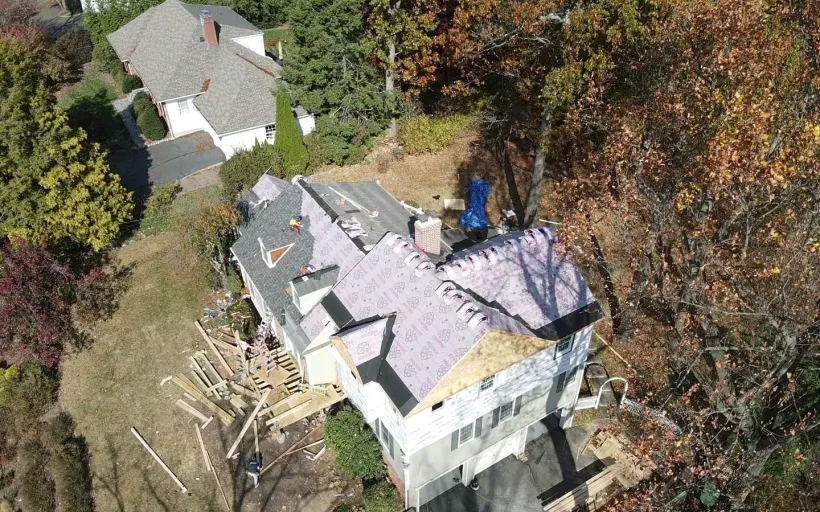
Roofing in Paramus
Bergen County · NJ
View Paramus roofing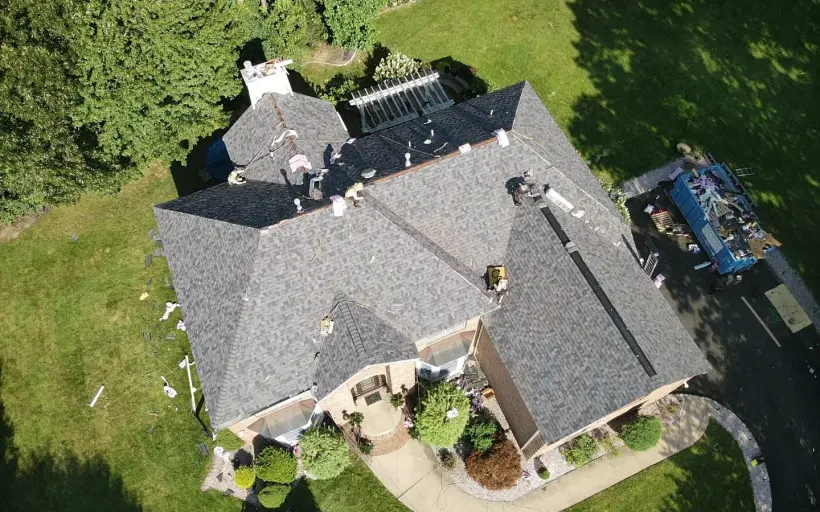
Roofing in Livingston
Essex County · NJ
View Livingston roofing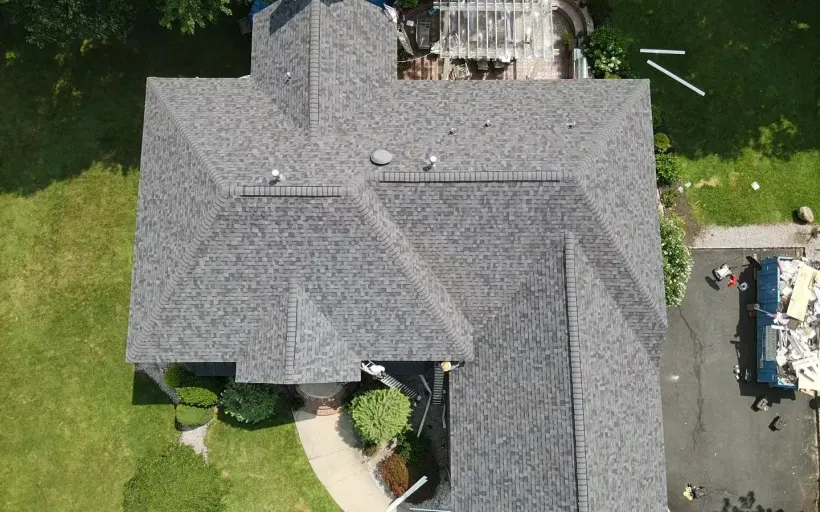
Roofing in Chatham
Morris County · NJ
View Chatham roofing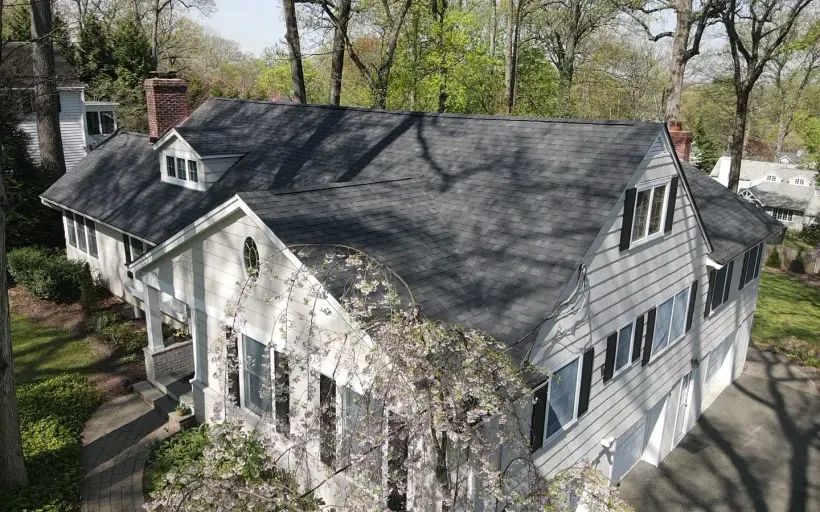
Roofing in Parsippany
Morris County · NJ
View Parsippany roofingRoofing in Edison
Middlesex County · NJ
View Edison roofing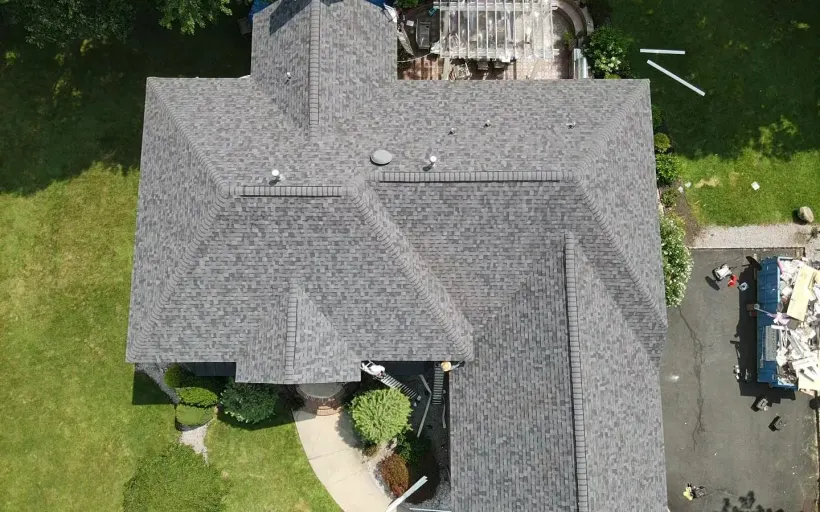
Roofing in Clifton
Passaic County · NJ
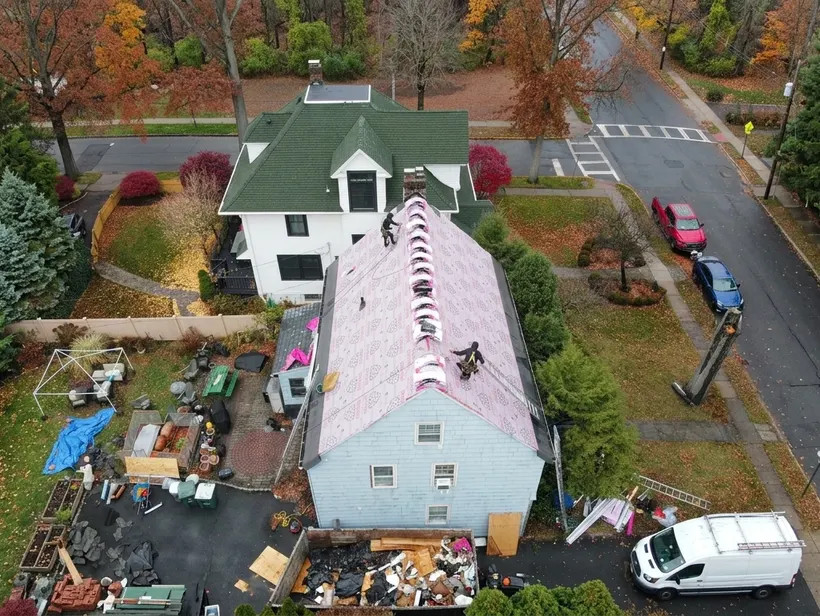
View Clifton roofingSigns your attic is not ventilated properly
- An attic that is extremely hot in summer
- Frost, condensation or damp insulation in winter
- Mold or mildew on the attic sheathing
- Ice dams forming on the roof every winter
- Shingles aging or curling faster than expected
Spotting these signs? Get an attic ventilation estimate before it gets worse.
Guides on attic ventilation
How to prevent ice dams on a New Jersey home
Ice dams are an attic problem, not a roof problem. Here is why they form, the fix that actually lasts, and what never to try yourself.
Read: How to prevent ice dams on a New Jersey home
How long does a roof last in New Jersey?
Lifespan by material, the NJ-specific things that cut it short, and how to get every year your roof was rated for.
Read: How long does a roof last in New Jersey?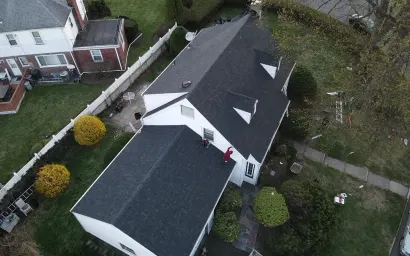
Roof flashing in NJ: types, installation, and why it matters
The thin strips of metal you barely notice are doing most of the work keeping water out of your house.
Read: Roof flashing in NJ: types, installation, and why it mattersWhere we do attic ventilation in NJ
From our Englewood headquarters we work across 12 New Jersey counties. Pick yours for local housing, weather and permit notes.
Need attic ventilation in New Jersey?Get a fixed-price estimate from a licensed local roofer, no obligation.
Attic ventilation in NJ: common questions
Plan your roof online.
Measure your roof
Get your roof size and a price range in about a minute, measured from satellite imagery. No obligation.
Measure my roof Shingle visualizerBuild your roof
Try Owens Corning shingle colors and styles on a home like yours, then send us the look you want priced.
Customize my roof
We'll be out very soon.
No high-pressure sales call. You get a clear, fixed written estimate for your roof repair or replacement across northern New Jersey, and a straight answer on what your roof actually needs, backed by our 10-year workmanship guarantee.