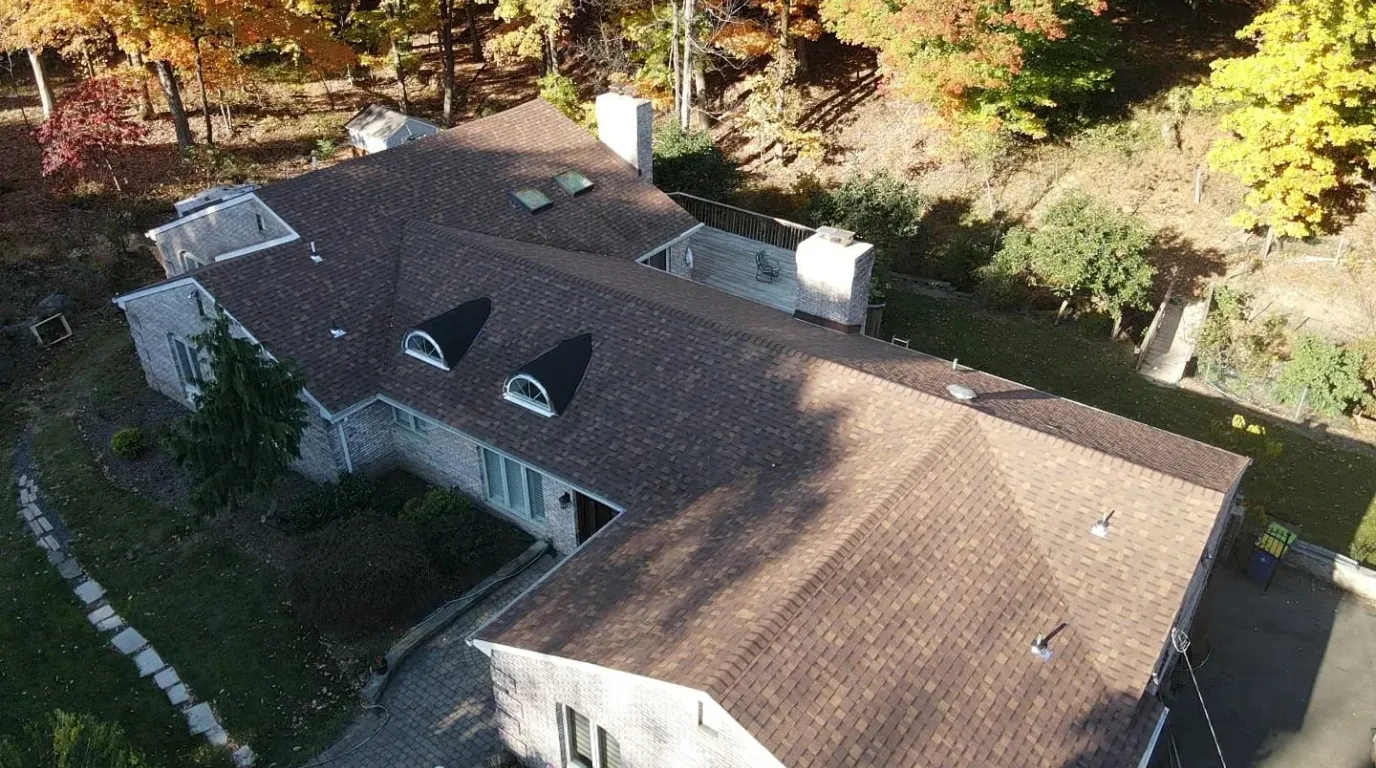
It's the first question almost every homeowner asks: how long does a roof last? The honest answer is that it depends on four things, the material, the quality of the installation, the ventilation underneath, and the weather it has to live through. In New Jersey, the last two do a lot of the damage. Here is what to actually expect, and how to get every year your roof was rated for.
Roof lifespan by material
These are the rated lifespans for the systems we install on northern NJ homes. Read them as a best case: a roof that was vented and installed correctly and never neglected.
- 3-tab asphalt shingles: 15–20 years. The thin, flat, economy shingle. Fewer NJ roofs use these now.
- Architectural (dimensional) asphalt shingles: 25–30 years. What most New Jersey homes have today, and the best value for the money.
- Slate and clay tile: 75–100 years. The materials outlast the house; what fails is the flashing and underlayment beneath them.
- Flat-roof membranes (EPDM, TPO, modified bitumen): 15–25 years depending on the system, the install, and the drainage.
Slate and tile are the long-life exception: maintained properly, they are usually the last roof a house ever needs.
Why NJ roofs rarely hit the number on the label
The rated lifespan assumes ideal conditions. Real roofs in New Jersey almost always come up short, and the reasons are predictable:
- Poor attic ventilation: an attic that traps heat literally cooks the shingles from below, and can take 5–10 years off an asphalt roof on its own.
- Ice dams: meltwater refreezing at the eaves backs up under the shingles every NJ winter the attic is not vented and insulated right.
- Wind and storms: nor'easters and summer fronts lift shingle edges and break the seal, especially at the perimeter of the roof.
- Sun: south- and west-facing slopes age faster than the rest of the roof from UV exposure alone.
- Trees and moss: shaded, debris-covered north slopes hold moisture, and moss lifts shingle edges.
- Failed flashing: the metal at chimneys, walls and valleys usually fails long before the shingles do, and a leak there ages the whole system.
Most of those are fixable or preventable, which is the good news.
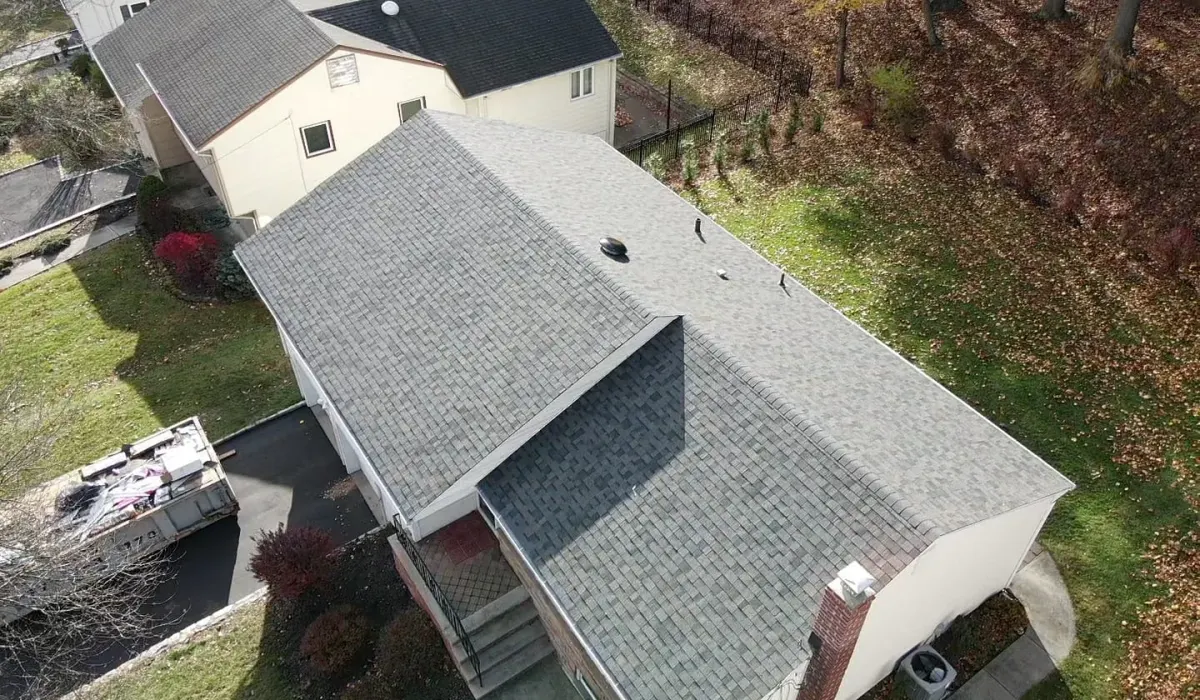
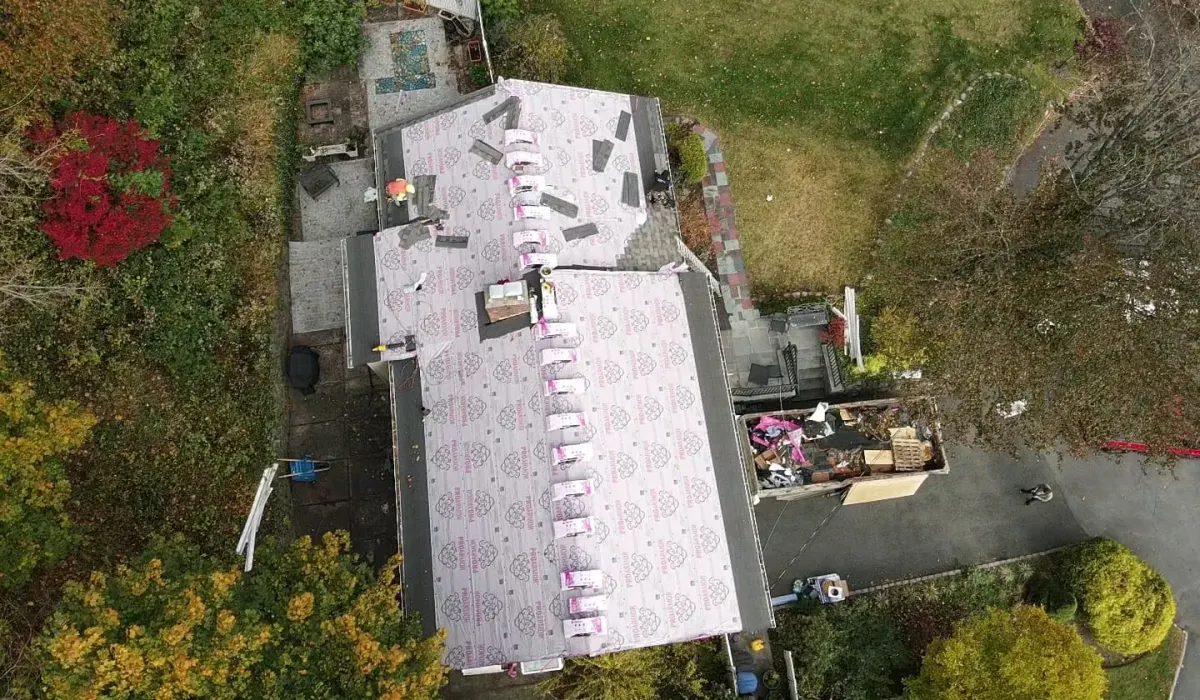
How to get the full lifespan out of your roof
- Get the attic vented correctly: balanced soffit-and-ridge ventilation is the single cheapest way to add years to a roof.
- Keep the gutters clear: clogged gutters drive water back under the roof edge and feed winter ice dams.
- Inspect twice a year, spring and fall: catching a lifted shingle or a cracked pipe boot early is a cheap fix.
- Fix the small stuff promptly: a minor repair today is what keeps a single bad detail from aging the whole roof.
- Watch the flashing: it is where most roofs actually start to leak, often with years of shingle life left.
A small repair caught early is the cheapest work a roof ever needs, and it is usually what separates a roof that hits its rated life from one that fails a decade early.
When age finally catches up
Once a roof is past about 20 years and showing widespread wear, no amount of patching resets the clock. At that point the question shifts from repair to replacement. If you are seeing curling shingles, granules in the gutters, or leaks in more than one spot, it is worth reading the signs and getting an honest assessment before the next storm forces the decision.