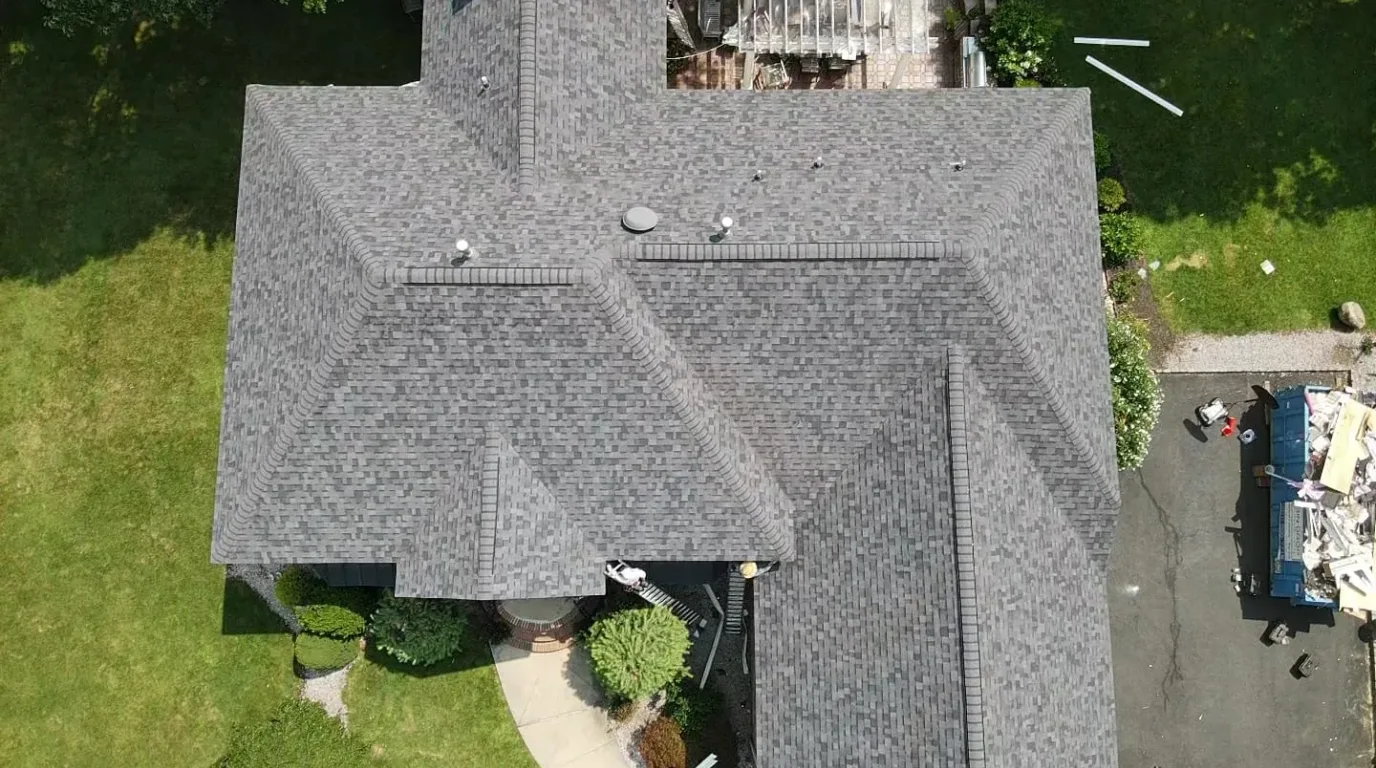
A new roof is one of the biggest single expenses a house ever needs, and the ranges you find online are close to useless because they lump a small ranch in with a large, steep, cut-up home. On a typical northern New Jersey house in 2026, a full asphalt roof replacement runs roughly $9,000–$22,000. That spread is real, and the rest of this article is about what moves you from one end of it to the other.
The short answer, by material
Cost tracks the material more than anything else. Here is what we see on New Jersey homes, priced by the square, which is 100 square feet of roof area, not floor area:
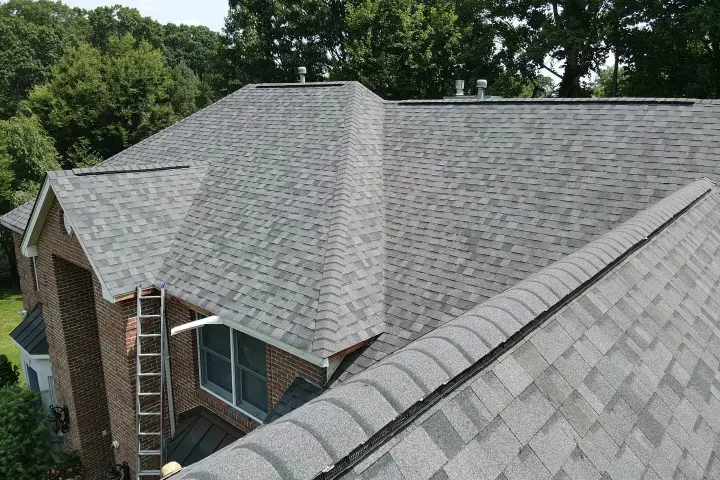
- Architectural asphalt shingles: about $450–$750 per square installed. On a typical home of 20–30 squares, that is roughly $9,000–$22,000. This is what most New Jersey homes have and the best value for the money.
- Basic 3-tab asphalt shingles: cheaper, about $350–$500 per square, but the thinner shingle carries a shorter rated life, so the savings rarely pay off. Fewer roofs use these now.
- Slate and clay or concrete tile: a different category entirely, commonly $25,000–$75,000 and up depending on the material and the size of the roof. The material is expensive and the labor is specialized, but a tile or slate roof is usually the last one the house will ever need.
- Flat-roof membrane (EPDM rubber or TPO): about $500–$1,100 per square, so a typical residential flat section lands around $8,000–$20,000. Low-slope roofs price by the membrane and the drainage detail, not by shingle count.
The flat-roof number surprises people, but a low-slope membrane roof is a full system: tear-off, new insulation board where the old is wet, and a continuous welded or glued membrane. If your home has a flat section over an addition, porch, or garage, price it as its own job.
What actually drives the price
Two roofs of the same square footage can quote thousands of dollars apart. These are the factors that move the number, roughly in order of how much they matter:
- Size (squares): the single biggest driver. More roof area means more material, more labor, and more disposal. Everything else adjusts this baseline.
- Pitch: a steep roof needs roof jacks, harnesses, and slower, more careful work. A 12/12 pitch can add 20–40% over a walkable roof.
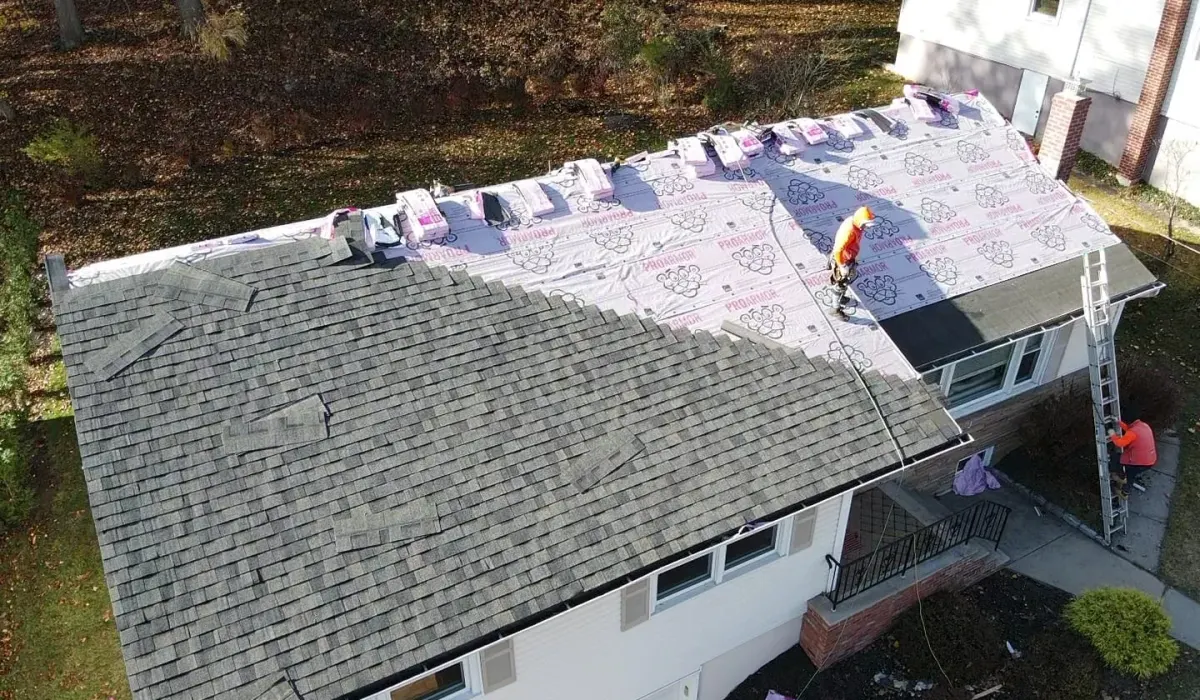
- Tear-off and layers: stripping the old roof costs labor and dump fees, and a second or third layer to remove adds more. Standard NJ practice is to tear off to the deck rather than roof over, so the sheathing can be seen.
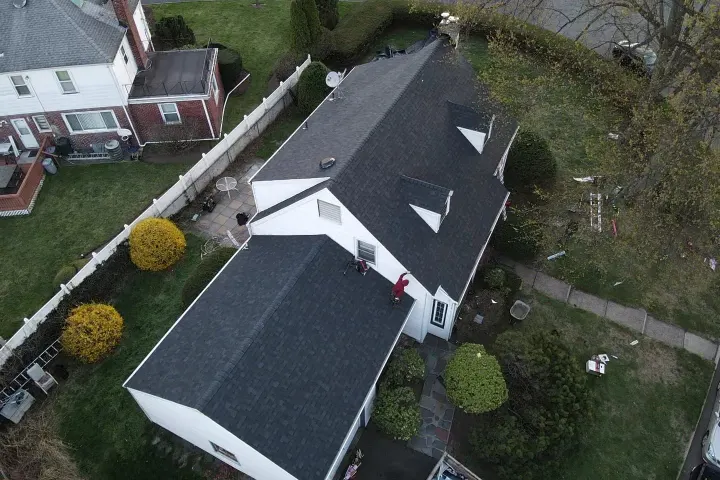
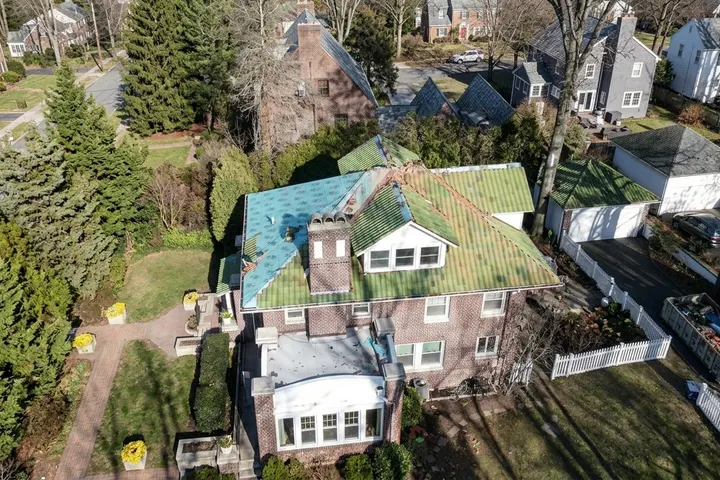
- Roof complexity: valleys, dormers, hips, chimneys, and skylights all mean more cut shingles, more flashing, and more time. A simple gable roof is cheap to cover; a cut-up roof with six valleys is not.
- Material grade: within asphalt, a basic architectural shingle costs less than a heavier, higher-wind-rated designer line. The underlayment, the ice-and-water shield coverage, and the ventilation package also move the total.
- Decking condition: if the crew tears off and finds rotted plywood, it has to be replaced. Expect a per-sheet add-on, commonly $75–$125 per 4x8 sheet installed, and a good contract discloses that rate up front.
Signs you are overpaying, or underpaying
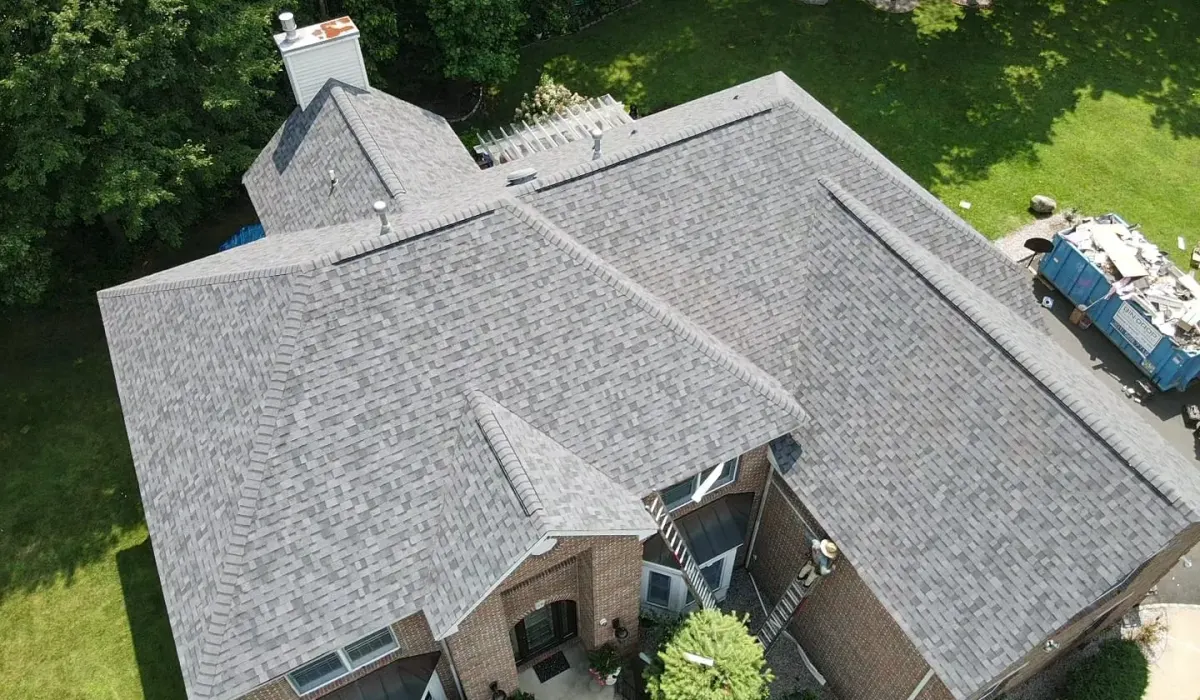
A number far below every other quote is not a bargain, it is a warning. The usual ways a low price gets that low: skipping the tear-off and roofing over the old shingles, substituting 3-tab where you were quoted architectural, thin nailing patterns that void the wind warranty, no starter strip or drip edge, and no permit. On the other end, you are overpaying when a quote pads the square count, bundles vague line items you cannot check, or leans on high-pressure financing. The repair-versus-replace question belongs here too: if your roof is not actually finished, a targeted repair may be the honest answer instead.
If you are not sure replacement is even the right call yet, it is worth reading the signs that separate a roof that needs replacing from one that needs a repair, and knowing what smaller repairs actually cost, before you sign anything.
How a written fixed price works
A real replacement estimate is written, itemized, signed, and dated. It names the shingle line and color, the underlayment and eave ice-and-water shield, the ventilation, the flashing scope, the tear-off, the disposal, the permit, and the start window. The price you sign is the price you pay, with one honest exception: if the crew opens the deck and finds rotted wood, you should see the per-sheet replacement rate already written into the contract, so there are no surprises. That is what fixed written pricing means, and it is how you compare two quotes fairly.
Getting a number for your specific roof
Online ranges only get you so far, because your roof is specific: its size, pitch, number of layers, and complexity are what set the final price. When you are ready for a real number, request an estimate and we will put fixed written pricing in front of you, with no obligation, so you can compare it against any other quote on equal terms.