
Tile roofs are unique. The tiles themselves (clay or concrete) can last 75 to 100 years and rarely fail in a way that drives roof replacement. What does fail, and what determines the real lifespan of a tile roof, is everything underneath: the underlayment, the battens (if used), the fasteners, and the flashings. Take care of those and a good tile roof is the last roof you'll ever pay for.
Tile vs. underlayment: what actually fails
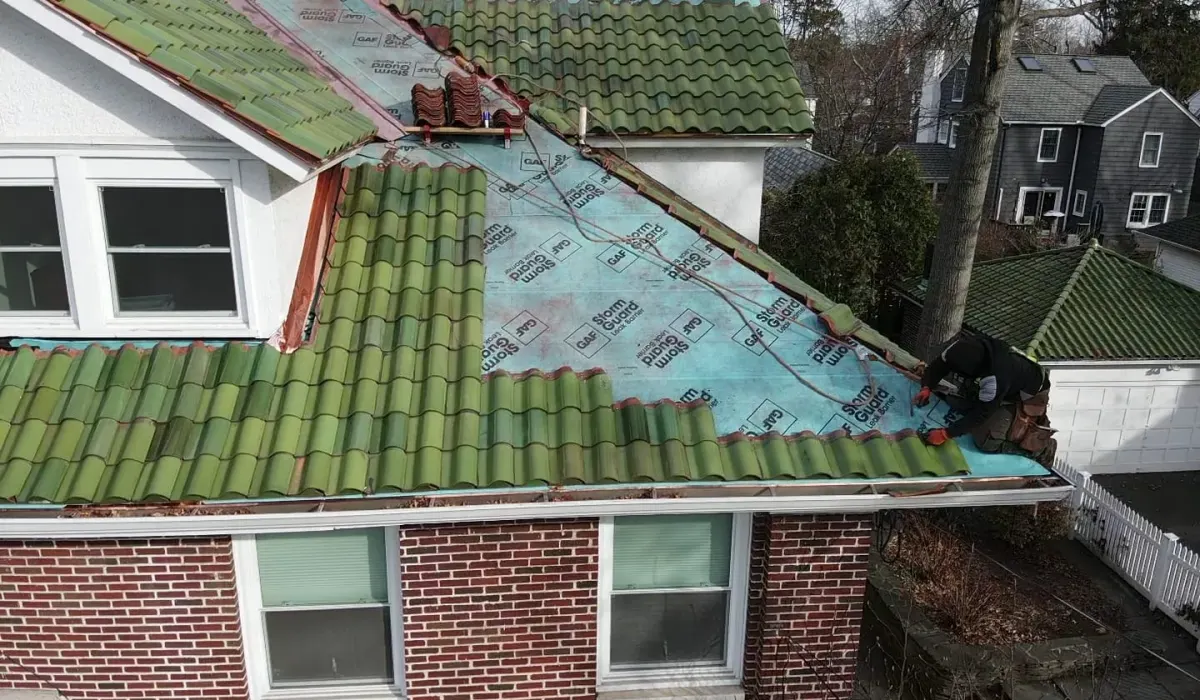
Most homeowners don't realize a tile roof has two layers protecting the house. The tiles are the wear layer: they shed the bulk of the water, take the UV hit, and provide the look. But the actual waterproofing comes from the underlayment beneath them. Felt underlayment lasts about 25–30 years. Synthetic underlayment lasts 40–50. When the underlayment fails, the roof leaks, even though the tiles look perfect from the street.
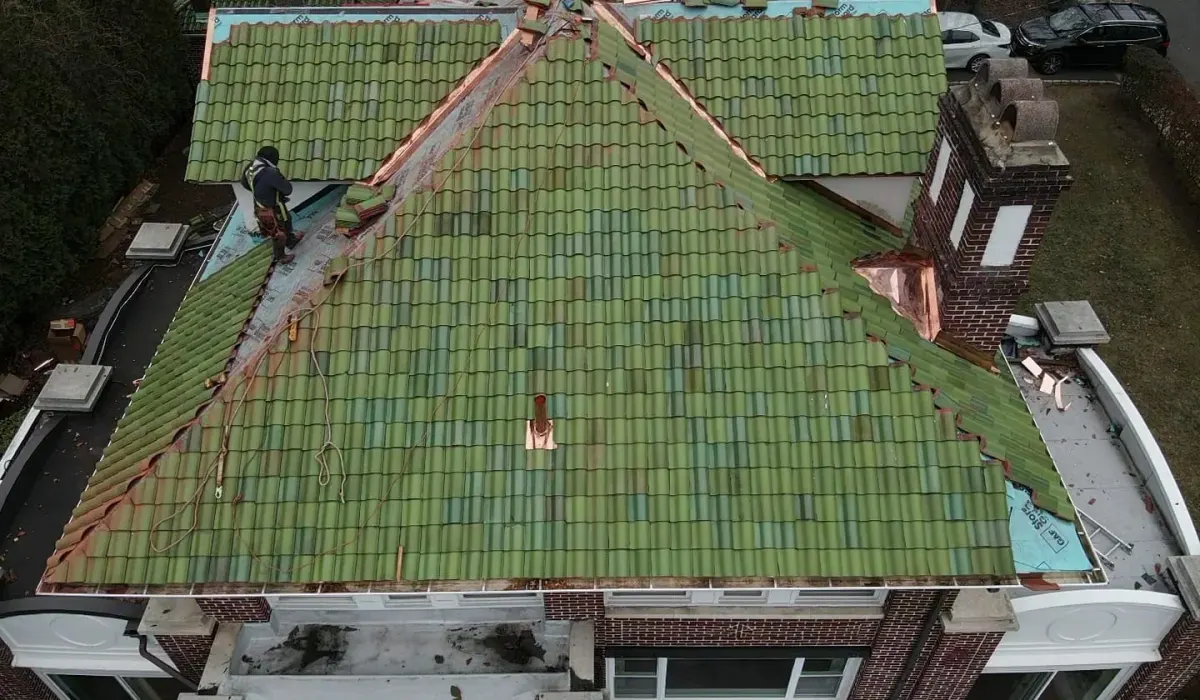
This is why tile roofs go through what's called a "tile lift" partway through their life: a crew carefully removes the tiles, replaces the underlayment and flashings, and re-lays the original tiles. It costs significantly less than full replacement and resets the roof for another generation.
The twice-yearly inspection checklist
Walk around the house with binoculars in spring and fall. You're looking for:
- Cracked, chipped, or slipped tiles, especially after high winds, hail, or anyone walking on the roof
- Broken corners (chipping at the headlap)
- Visible underlayment between tiles: means a tile has slipped and the felt is exposed to UV
- Moss, algae, or lichen growth: holds moisture against the tile and accelerates underlayment breakdown
- Valley wear: water concentrates in valleys, and valley metal under tile fails first
- Flashing condition at chimneys, walls, and skylights: rust, lifting, or gaps
- Mortar wash or "boost" mortar at ridges and hips: cracks and gaps here let water track sideways under the field tile
Walking on tile: basically, don't
Concrete tiles crack under point loads, and clay tiles can shatter. Even when a tile doesn't crack visibly, foot traffic creates hairline fractures that fail months later. If something must be done on the roof, the proper technique is to step on the lower third of each tile (where it's supported by the tile below), walk light, distribute weight, and ideally use tile walking pads. Most tile failures we're called out for came from a satellite installer or a chimney sweep, not weather.
Cleaning tile safely
Tile roofs accumulate moss, algae, and tree debris faster than shingle roofs because the tile texture holds moisture. Cleaning is worth doing every 5–10 years in shaded NJ neighborhoods, but how it's done matters:
- Never pressure-wash tile: high pressure forces water under the laps and into the underlayment, can chip the glaze off clay tile, and can fracture concrete tile
- Soft-wash methods only: low-pressure spray with a tile-safe biocide solution, dwell time, then rinse
- Hand-removal of large debris first: leaves, branches, pine needles dammed in valleys
- Avoid bleach on clay tile: it can discolor and weaken the natural pigments over time
Replacing a cracked tile
When a single tile cracks, replacing it is straightforward for a tile-experienced roofer: gently lift the surrounding tiles, slide out the broken piece, slide in the replacement, re-secure with a copper or stainless nail (galvanized rusts out faster than the tile), and re-set the neighbors. The trick is matching the tile. Clay tiles especially vary by manufacturer, profile, color batch, and age. A reputable tile roofer keeps a stash of common profiles, but for older or imported tiles you may need to source from a tile salvage yard or accept a close-but-not-exact match in a less visible spot.
When to call a tile specialist
Not every roofer works on tile. The materials are heavier, the techniques are different, and the failure modes are unfamiliar to crews who normally do asphalt. Look for crews that specifically advertise tile and slate work, and ask them: how do you fasten a replacement tile? what underlayment do you use under tile? when do you recommend a tile lift vs. patch repair? A specialist will have specific, confident answers.
The economics of maintenance
A $400 inspection and a few hundred dollars of small repairs every few years is a rounding error against a $40,000–$70,000 tile roof replacement. The neglected tile roof we see most often is one where a single cracked tile let water reach the underlayment for years before anyone noticed, and by then the sheathing is wet, the rafters are stained, and a full lift or replacement is the only option. Catch it early; tile roofs reward it.